Experiential Learning at Clemson
Experiential Learning (ExL) is for every student at Clemson. Our research shows that when you actively participate in educational experiences, you gain a greater understanding of complex topics, you remember detailed information better and you have a great time, too. Explore 10 different types of experiential learning we offer to see what might be a fit for you.
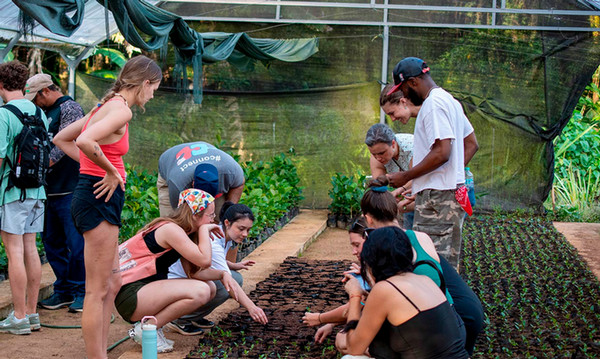
Types of Experiential Learning
Visit the Find My Experience page to see detailed information and next steps for each of the learning types listed below.
Workplace Learning
- Complete paid internships on or off campus.
- Gain a full year of experience through a co-op.
- Engage in fieldwork.
- Serve real and simulated patients through clinicals.
International Education
- Conduct field studies abroad.
- Enroll in partner institutions across the world.
- Embark on a service-learning trip.
- Conduct research to benefit global communities.
Creative Inquiry
- Join a cross-disciplinary undergraduate research team.
- Solve real-world problems.
- Create peer-reviewed publications.
- Present your findings.
Leisure Skills Courses
- Explore more than 150 recreational courses at Clemson.
- Gain a new skill.
- Have fun and get outdoors while earning class credit.
Learning at New Heights
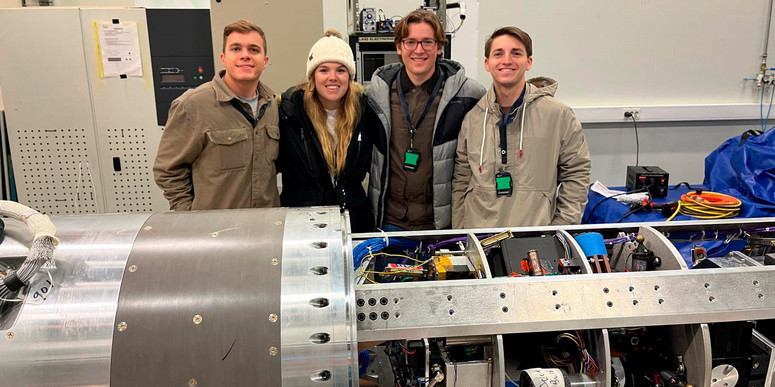
Students participate in NASA rocket launch
Four Clemson students took hands-on learning to the next level by designing, building and testing a scientific payload that launched aboard a rocket from the Andøya Space Center in Norway. The project began in Associate Professor Steve Kaeppler’s lab, where students followed the same rigorous processes used by professional aerospace engineers.
Read the Full Story“It’s one thing to learn all the theory of how to make these things, and it’s very different when you’re actually trying to do it.”
Regan O’Neill,
mechanical engineering ’26
Creative Practice
- Express yourself through the arts.
- Take creative academic courses.
- Engage in the arts through workshops or special events.
Student/Peer Teaching
- Be a student teacher in a local school.
- Mentor fellow undergraduate students.
- Lead tutoring sessions on campus.
Service or Client-Based Learning
- Apply classroom knowledge to real problems.
- Serve businesses, organizations and people in our community.
Simulations
- Apply classroom concepts to real situations.
- Adjust to changing circumstances and find innovative solutions.
- Engage in fieldwork.
- Serve real and simulated patients through clinicals.
Capstones
- Apply four years of learning in one project-based class.
Student Research
- Expand upon a project you find interesting.
- Work with a faculty mentor.
- Present your findings at conferences.
